
The 15th business day of the following month isn’t a safe harbor; it’s a maximum deadline that often signals you’re already in violation of ERISA standards. For many business owners, the confusion surrounding 401k contribution remittance timely deposit rules creates a heavy, invisible weight of fiduciary anxiety. You’ve likely heard conflicting advice about when funds must be segregated from company assets, yet the Department of Labor continues to prioritize the “earliest date” over any arbitrary calendar rule.
We understand that your focus should remain on your company’s growth, not on the fear of a surprise regulatory audit. This guide helps you master the complex 2026 remittance timelines, shielding your organization from prohibited transaction penalties and personal liability. You’ll gain a clear understanding of the seven-day safe harbor for small plans versus general rules for larger ones. We’ll also provide a methodical plan to correct past mistakes through the updated Voluntary Fiduciary Correction Program, allowing you to hand off the administrative burden and preserve your peace of mind.
Key Takeaways
- Learn why “as soon as reasonably segregable” is the true legal standard for deposits, regardless of the 15th-day maximum deadline.
- Distinguish between the 7-business-day safe harbor for small plans and the more rigorous requirements facing organizations with over 100 participants.
- Master 401k contribution remittance timely deposit rules to shield your company from the 15% excise tax and the personal liability of prohibited transactions.
- Explore the 2026 updates to the Voluntary Fiduciary Correction Program (VFCP) to resolve administrative delays before they escalate into audit triggers.
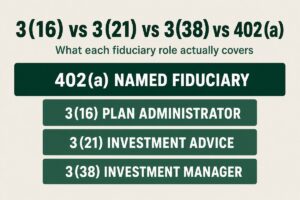
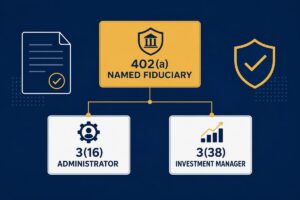
- Understand how appointing a 3(16) Plan Administrator transfers the weight of compliance oversight from your shoulders to a specialized guardian.
The “Earliest Date” Standard: Defining Timely 401k Remittance
The Department of Labor (DOL) establishes a standard that is often misunderstood by even seasoned plan sponsors. The core principle for a 401(k) plan is that employee deferrals must be deposited into the trust on the earliest date they can be reasonably segregated from the employer’s general assets. While this sounds flexible, modern payroll systems have made “reasonably segregable” almost instantaneous. If your payroll software processes deductions and generates a report on a Tuesday, the DOL assumes you can remit those funds by Wednesday or Thursday. Your specific payroll cycle, whether weekly or bi-weekly, dictates your unique legal deadline. Relying on an arbitrary internal calendar rather than your actual processing speed is a common path toward fiduciary breach.
This rule exists to protect employee assets from being used as short-term operating capital for the business. Even a delay of a few days can be interpreted as the company “borrowing” from its employees. We assume the responsibility of monitoring these timelines so you don’t have to guess what “reasonably segregable” means for your specific setup. By aligning your deposit schedule with your actual payroll capabilities, you create a shield against the most common audit triggers. Understanding the nuances of 401k contribution remittance timely deposit rules is the first step in moving from administrative anxiety to institutional stability.
Debunking the 15th Business Day Myth
Many administrators mistakenly view the 15th business day of the following month as a safe harbor. It isn’t. This date is the absolute maximum limit, a boundary that, if crossed, results in an automatic violation. The DOL determines your “earliest date” by reviewing your historical deposit patterns. If you successfully remitted funds within three days last year, they’ll hold you to that three-day standard today. The “earliest date” standard is legally defined as the moment employee funds leave the company’s general assets and become plan assets.
Consistency is a Fiduciary Requirement
Inconsistency is a magnet for regulatory scrutiny. If you deposit funds in three days one month but wait seven days the next, you’re signaling a lack of internal control. Establishing a repeatable, documented remittance process is the only way to mitigate this risk. These fluctuations aren’t just administrative nuisances; they complicate your Form 5500 reporting and can trigger a full plan audit. We coordinate these 401k contribution remittance timely deposit rules so that your compliance remains steady, regardless of seasonal payroll shifts. A disciplined approach ensures that your fiduciary record remains clean and your employees’ retirement savings are preserved without delay.
Not sure where your plan’s fiduciary liability actually sits?
Admin316 serves as your named 3(16) plan administrator and takes the filing, notice and compliance work off your desk — along with the liability that comes with it. A 15-minute call is usually enough to tell you where you stand.
Small Plan Safe Harbor vs. Large Plan Requirements
Classifying your plan correctly is the first step in mitigating regulatory risk. The distinction between a “small” and “large” plan dictates which 401k contribution remittance timely deposit rules apply to your organization. To provide stability, the DOL utilizes the “80/120” rule. If your participant count was between 80 and 120 at the start of the plan year, you can choose to maintain the same category as the previous year. This prevents a sudden shift in compliance requirements due to minor fluctuations in your workforce. We oversee these technical thresholds so you can focus on your core business operations without fear of a misclassification error.
The 7-Business-Day Advantage for Small Businesses
Plans with fewer than 100 participants benefit from a “bright-line” safe harbor. If you remit employee deferrals within seven business days of the paycheck date, the DOL considers your deposits timely. This rule removes the ambiguity of “reasonably segregable” for smaller employers. It acts as a legal safety net, ensuring that minor administrative delays don’t automatically result in a fiduciary breach. While this seven-day window exists, depositing funds sooner is always better for participant growth. We help small business owners maintain this discipline so the safe harbor remains a secondary defense rather than a primary crutch.
Large Plan Scrutiny: The 3-Day Benchmark
Large plans don’t have the luxury of a safe harbor. For organizations with over 100 participants, the Department of Labor (DOL) rules are strictly focused on the “earliest date” standard. In practice, the DOL often uses a three-business-day benchmark for larger employers. If your payroll system is automated, they expect the money to move at the speed of that technology. Managing this across multi-state operations or complex payroll cycles requires a meticulous, repeatable process. Any deviation from your fastest historic deposit can trigger red flags during an audit. The DOL assumes that larger companies possess the technological resources to move money almost instantly, and they hold you to that standard.
We handle the heavy lifting of monitoring these shifting benchmarks so you don’t have to. If you’re looking to fortify your compliance team, exploring the role of a 3(16) Plan Administrator can provide the shield your company needs against these growing regulatory pressures. By acting as a specialized guardian, we ensure that your 401k contribution remittance timely deposit rules are met with precision, preserving the integrity of your plan and the trust of your employees.
The Cost of Non-Compliance: Prohibited Transactions and Liability
When an employer fails to follow 401k contribution remittance timely deposit rules, the Department of Labor (DOL) doesn’t view it as a simple clerical error. It’s legally classified as a prohibited transaction. This means the employer has effectively “borrowed” employee funds to bolster company liquidity, a direct violation of ERISA standards. The weight of this responsibility falls directly on the plan signer. Unlike other corporate debts, fiduciary breaches can pierce the corporate veil, placing your personal assets at risk. We assume the role of a shield, ensuring that these administrative slips don’t escalate into personal financial crises. Appointing an ERISA 3(16) plan administrator allows you to transfer this legal burden to a specialized expert who manages the granular details of compliance.
Calculating Lost Earnings and Excise Taxes
Correcting a late deposit involves more than just moving the missed principal. You must make participants “whole” by calculating and depositing lost earnings. This calculation typically uses the IRS underpayment rate or the plan’s actual rate of return, whichever is higher for the participant. Once the earnings are restored, the employer must file Form 5330 to report the transaction to the IRS. This triggers a 15% annual excise tax on the lost earnings amount. This tax compounds every year the error remains uncorrected, turning a small mistake into a significant financial drain. We coordinate these calculations and filings so you can resolve errors without the administrative headache of manual math.
DOL Audit Triggers and Form 5500 Reporting
Your annual Form 5500 serves as a transparency report for regulatory bodies. Checking “Yes” to the question regarding late contributions is an immediate red flag for a DOL auditor. It suggests a lack of internal controls and often invites a full-scale investigation into your plan’s entire governance structure. A single late deposit can lead to a ripple effect, exposing other areas of your administration to scrutiny. From our perspective as a specialized guardian, shielding the signer from this exposure is the primary goal. We provide a layer of protection that ensures your reporting remains clean and your organization stays off the regulatory radar. By establishing a repeatable process for 401k contribution remittance timely deposit rules, we preserve your company’s stability and your professional reputation.

Correcting Remittance Errors: The 2026 VFCP and SCC Framework
Discovering a delay in 401k contribution remittance timely deposit rules can be a source of professional anxiety for any business owner. However, the Department of Labor provides a structured path to resolution through the Voluntary Fiduciary Correction Program (VFCP). This program is designed to encourage plan sponsors to self-identify and rectify breaches before they become permanent stains on your compliance record. By utilizing these tools, you can restore participant accounts and mitigate the risk of severe penalties. We assume the responsibility of navigating these programs so you can maintain your focus on your organization’s mission.
Eligibility for the Self-Correction Component (SCC)
Effective March 17, 2025, the DOL introduced the Self-Correction Component (SCC) to streamline minor fixes. This is a significant relief for business owners facing small administrative delays. To qualify for this streamlined process, you must correct the late deposit within 180 days of the paycheck date and ensure the calculated lost earnings do not exceed $1,000. This component allows for a faster resolution without the weight of a full formal application. To utilize this framework, you must follow a methodical process:
- Calculate and deposit the principal amount and the lost earnings into participant accounts.
- Submit the SCC Notice using the designated VFCP web tool.
- Preserve the acknowledgment email as a permanent, documented part of your fiduciary file.
This acknowledgment serves as your shield, proving you took proactive steps to preserve the plan’s integrity. It provides the peace of mind that the specific error has been addressed according to regulatory standards. We work alongside your existing payroll provider to identify these gaps early, ensuring you remain eligible for this simplified correction path.
Formal VFCP Applications for Major Failures
When errors fall outside the SCC limits, such as delays exceeding 180 days or lost earnings over $1,000, a formal VFCP application is necessary. This process is more rigorous but offers a higher level of protection: the “No Action” letter. This document is a formal commitment from the DOL stating they won’t pursue enforcement action for the specific breach you’ve corrected. Correcting errors “under the table” without following the VFCP framework is risky; it leaves the door open for auditors to reassess your math and your methods years later. A formal filing provides a definitive end to the liability, effectively lifting the weight of that error from your shoulders forever.
We oversee these complex filings with a meticulous eye for detail to ensure your application is accepted the first time. If you’re ready to transfer the weight of compliance oversight and protect your company from future audits, contact our 3(16) fiduciary experts today. Our team acts as a specialized guardian, coordinating with your advisors to provide a seamless layer of protection.
Transferring the Weight: The 3(16) Fiduciary Solution
Managing a retirement plan involves carrying a constant legal weight. As we’ve explored, the technical requirements of 401k contribution remittance timely deposit rules leave little room for error and no room for administrative neglect. While payroll software can automate the movement of funds, it cannot assume the fiduciary liability that comes with a missed deadline or an incorrect calculation. This is where the role of a specialized guardian becomes essential. By appointing an ERISA Section 3(16) Plan Administrator, you don’t just hire a service provider; you transfer the legal responsibility for compliance oversight to an expert who is prepared to take full accountability.
Our approach is built on a “non-displacement” philosophy. We don’t seek to replace your existing payroll processor or investment advisor. Instead, we work alongside your current team to provide a dedicated layer of protection. We mitigate your risk by acting as an independent monitor, ensuring that every deferral is handled with the precision required by the DOL. This partnership allows you to move from a state of constant professional anxiety to one of quiet confidence, knowing that the heavy lifting of ERISA compliance is being handled behind the scenes. We carry the load so you can focus on your company’s growth.
Bridging the Gap Between Payroll and the Plan
The gap between a payroll deduction and a plan deposit is where most fiduciary breaches occur. Admin316 bridges this gap by coordinating directly with your team to ensure the “earliest date” standard is met every single pay cycle. We don’t just watch the process; we oversee it. This includes the critical task of signing the Form 5500. When we sign that document, we assume the legal burden of the representations made within it, including the reporting of 401k contribution remittance timely deposit rules. This creates a shield between the business owner and the regulatory entities, preserving your personal assets and your professional reputation.
Peace of Mind Through Fiduciary Partnership
True relief comes when you no longer have to manage the burden of compliance, but instead simply oversee a partner who does. Since 1997, we’ve specialized in lifting these responsibilities from the shoulders of overwhelmed business owners. Our 3(16) services are designed to remove the anxiety of potential DOL audits and the complexity of manual remittance monitoring. You deserve the stability that comes with institutional expertise and a methodical, repeatable process. If you’re ready to fortify your plan’s governance and reduce your administrative load, it’s time to explore how Admin316 can shield your company from liability. Let us assume the responsibility for your plan’s protection while you preserve the future of your business.
Securing Your Plan’s Future Through Fiduciary Accountability
Establishing a disciplined remittance process is the only way to move from administrative anxiety to institutional permanence. You’ve seen that the “earliest date” standard overrides any arbitrary calendar deadline, and that even minor delays can trigger personal liability for plan signers. By aligning your payroll cycles with strict oversight, you protect both your employees’ retirement savings and your company’s regulatory standing. These requirements are a significant responsibility, but they don’t have to be a source of constant stress for your leadership team.
We’ve served as an independent 3(16) Fiduciary since 1997, providing national coverage for all plan types. As your Specialized Guardian, we handle the heavy lifting of compliance and reporting so you can focus on leading your organization toward its next milestone. We act as a shield between you and regulatory scrutiny, ensuring every detail is meticulously managed according to the latest standards. Let Admin316 assume your fiduciary compliance burden; get started today.
You don’t have to carry the weight of 401k contribution remittance timely deposit rules alone. With a methodical partner by your side, you can preserve your professional legacy while ensuring your plan remains a stable, compliant benefit for your workforce. We’re here to provide the relief you need to move forward with confidence and peace of mind.
Frequently Asked Questions
Is the 15th business day of the following month a safe harbor for 401k deposits?
No, the 15th business day of the following month is the absolute maximum limit, not a safe harbor. Under 401k contribution remittance timely deposit rules, the Department of Labor requires deposits as soon as funds can be reasonably segregated from general assets. For most businesses, this occurs within days of payroll. Treating the 15th as a target instead of a final boundary can lead to unnecessary fiduciary breaches and regulatory scrutiny.
What is the 7-business-day safe harbor for small 401k plans?
The 7-business-day safe harbor applies to plans with fewer than 100 participants at the beginning of the plan year. If these employers remit deferrals within seven business days of the paycheck date, the DOL automatically deems the deposit timely. This bright-line rule provides small business owners with a layer of protection against the ambiguity of the “earliest date” standard, though faster deposits are always encouraged to maximize participant earnings.
What happens if I miss the 401k contribution remittance deadline?
Missing the deadline results in a prohibited transaction, which means the employer is viewed as improperly holding plan assets. You must restore the principal and deposit calculated lost earnings to make participants whole. Additionally, you’ll need to report the error on Form 5500 and pay an excise tax to the IRS via Form 5330. We coordinate these corrections through the VFCP to mitigate the risk of further enforcement actions.
How do I calculate lost earnings for late 401k deposits in 2026?
In 2026, lost earnings are typically calculated using the greater of the IRS underpayment rate or the plan’s actual rate of return during the period of the delay. The calculation begins on the date the funds should have been deposited and ends on the date they were actually remitted. This methodical approach ensures participants aren’t penalized for administrative delays. Using specialized tools or a 3(16) fiduciary can help ensure these figures are accurate.
Do I need to report late 401k contributions on Form 5500?
Yes, you must disclose late contributions on your annual Form 5500 filing. There’s a specific compliance question regarding whether employee deferrals were remitted late. Checking “Yes” signals to the DOL that a prohibited transaction occurred, which can trigger a full plan audit. This is why consistent, documented 401k contribution remittance timely deposit rules are vital to maintaining a clean compliance record and shielding the plan signer from scrutiny.
Can I self-correct late 401k deposits without notifying the DOL?
You can use the Self-Correction Component (SCC) for minor errors without a formal application, but you must still submit an electronic notice to the DOL. To qualify, you must correct the error within 180 days and lost earnings must be $1,000 or less. While this process is streamlined, it isn’t completely silent. You must still document the correction and keep the DOL’s acknowledgment email in your permanent fiduciary file as evidence of resolution.
Who is personally liable for late 401k contribution deposits?
The plan’s named fiduciaries and any individuals with discretionary authority over plan assets are personally liable for late deposits. ERISA’s unique structure allows for the piercing of the corporate veil, meaning your personal assets can be used to make participants whole. This heavy legal weight is why many sponsors appoint a 3(16) Plan Administrator. We assume the legal accountability for these tasks, acting as a shield for your company’s leadership.
What is the excise tax for late 401k remittances?
The IRS imposes a 15% annual excise tax on the amount involved, which refers to the lost earnings resulting from the late deposit. This tax is reported and paid using Form 5330. If the error isn’t corrected promptly, the tax compounds each year the transaction remains unclosed. Resolving these issues quickly through the VFCP can sometimes result in a waiver of this tax, though strict eligibility requirements apply to such relief.
Transfer this responsibility to a professional fiduciary.
Every item in this article is work Admin316 does for plan sponsors every day as an ERISA 3(16) administrator. Bring us your plan documents and we’ll show you exactly which risks move off your shoulders.