
Plan Trustee Duties and Trust Accounting: What Sponsors Must Oversee

September 27, 2026
Your 401(k) assets sit in a trust, and someone is legally responsible for them. Here is what plan trustee duties actually cover, how trust accounting works, and what the sponsor still has to oversee.
Electronic Disclosure Safe Harbors: How Sponsors Can Deliver Notices Online and Prove It

September 26, 2026
Emailing a notice is easy. Proving it satisfied ERISA’s delivery rules is not. Here is how the electronic disclosure safe harbors work for plan sponsors, and what to keep as evidence.
Plan Asset Valuation and Hard-to-Value Investments: What Sponsors Must Support

September 25, 2026
Plan asset valuation is a fiduciary duty. When a plan holds real estate, private funds, limited partnerships or closely held stock, the sponsor has to support the number on the Form 5500 and on every participant statement.
Part-Time and Long-Term Part-Time Employees: What 401(k) Sponsors Must Track

September 24, 2026
The long-term part-time rule turns hours tracking into a fiduciary duty. Here is what 401(k) sponsors must count, who becomes eligible, what changes in testing and vesting, and how to prove the plan got it right.
Plan Forfeiture vs. Suspense Accounts After a Contribution Error: What Sponsors Must Do

September 23, 2026
When an employer over-contributes to a 401(k), the money doesn’t simply come back. Here is how forfeiture and suspense accounts differ and what plan sponsors must decide and document.
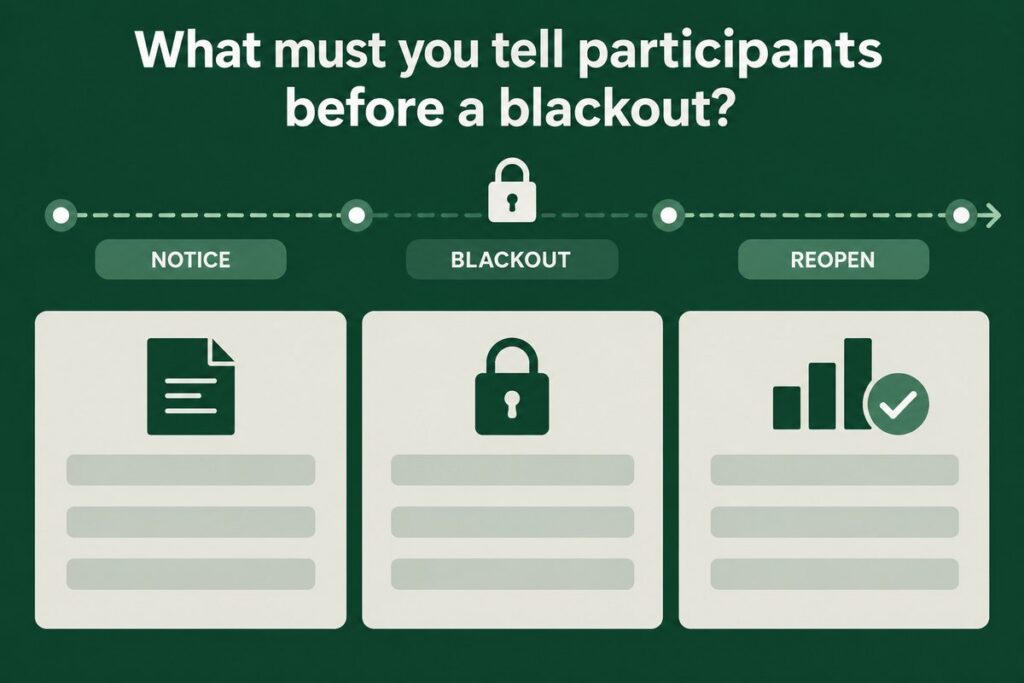
Blackout Notices and Recordkeeper Conversions: What Sponsors Must Tell Participants
September 22, 2026
A recordkeeper conversion suspends participant rights for a period. Here is what the blackout notice must say, who must receive it, and how sponsors prove they sent it.
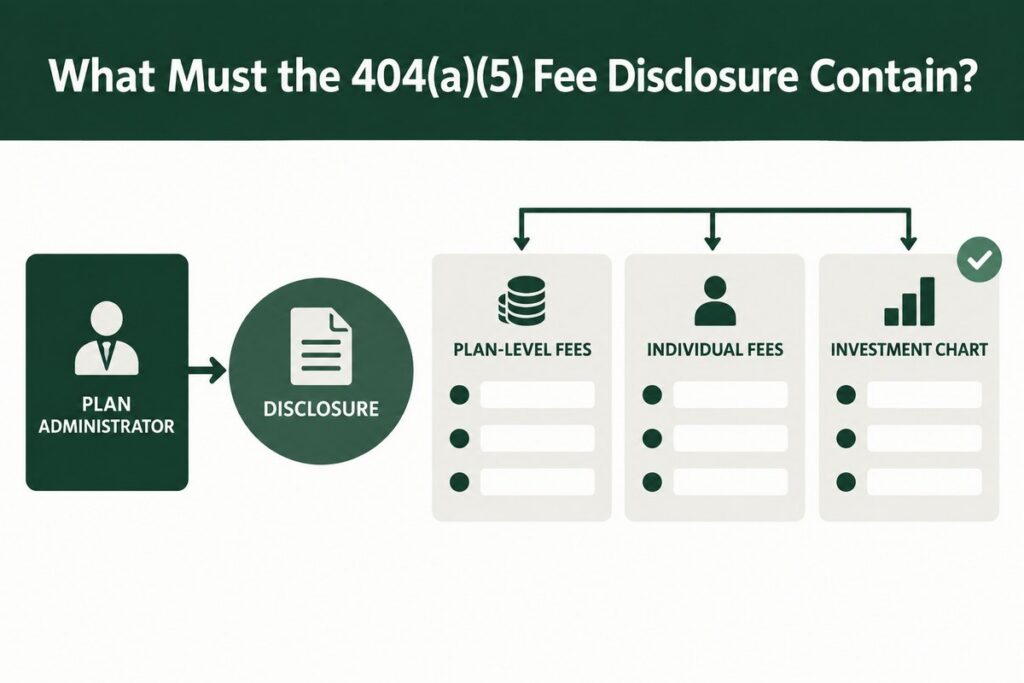
Participant Fee Disclosures Under 404(a)(5): What Sponsors Must Deliver
September 21, 2026
The 404(a)(5) participant fee disclosure is a fiduciary obligation of the plan administrator, not a recordkeeper courtesy. Here is what employers must deliver, to whom, and how to document it.
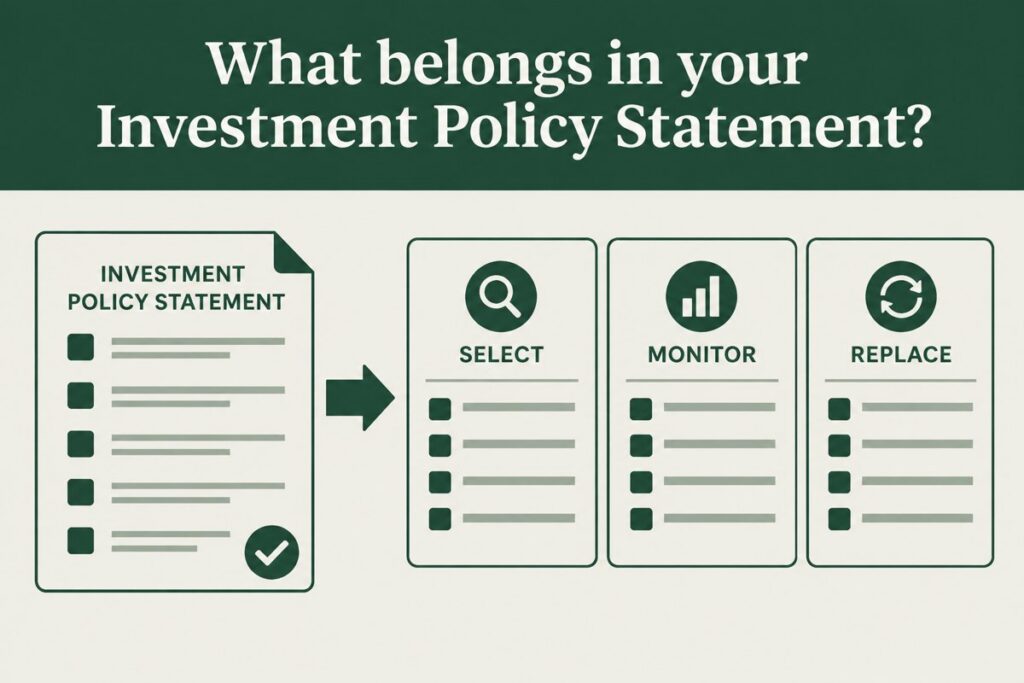
Plan Investment Policy Statements: What Sponsors Should Put in Writing
September 20, 2026
An investment policy statement documents how your plan’s lineup is chosen and monitored. Here is what belongs in it, what should stay out, and how sponsors keep it from going stale.
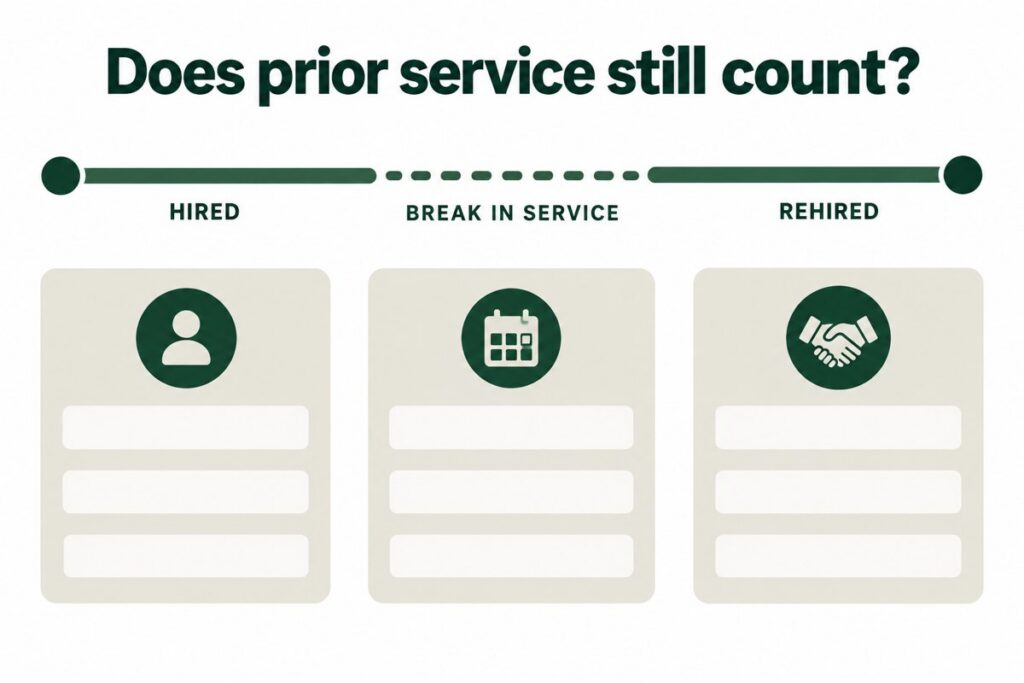
Rehires and Breaks in Service: What Sponsors Must Reinstate
September 19, 2026
When a former employee comes back, the plan document usually says their old service still counts. Here is what plan sponsors must reinstate for rehires and breaks in service.
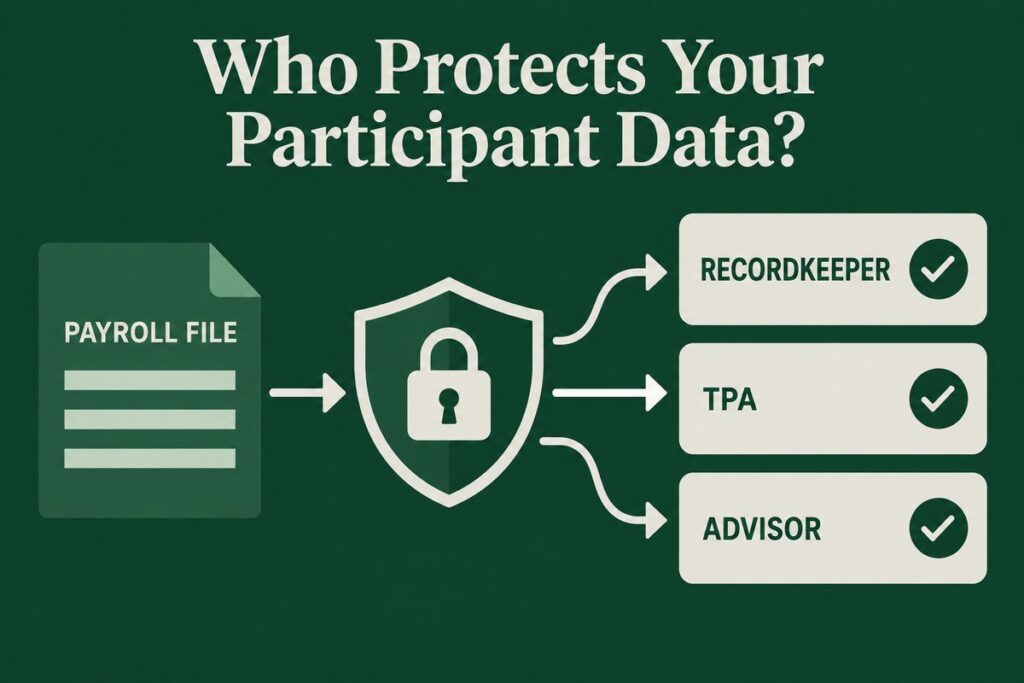
Cybersecurity and Participant Data: What DOL Guidance Expects of Plan Sponsors
September 18, 2026
DOL cybersecurity guidance treats participant data protection as a fiduciary duty, not an IT problem. Here is what plan sponsors must ask, document and monitor.